
Reception Summer 2026 Curriculum Overview
Our topics this term will be ‘Amazing Animals’ and ‘On the Move!’.
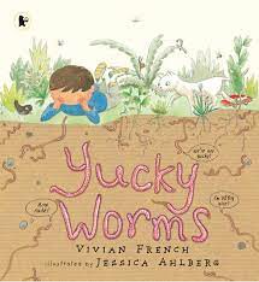
In Summer 1, we will begin a new topic called ‘Amazing animals’. In this unit, we will be learning all about different habitats and the animals that live in them. We will start under the sea with the dolphins and jellyfish. We will then travel to the African savannah to see how the wildlife there is different to that in the UK. Finally, we will explore closer to home in our woodland area and find out about the minibeasts that are all around us. Our Drawing Club texts will include Billy’s Bucket by Kes Gray and Yucky Worms by Vivian French,
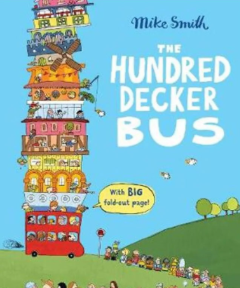
In Summer 2, we will begin a new topic called ‘On the Move!’ In this unit, we will be learning about different modes of transport, exploring transport around the world and how it has changed over time. In the last few weeks of the term, we will begin preparing the children for their own move up to Year 1. The children will spend time exploring their new classrooms, meeting staff, reminiscing on their time in reception and looking forward to their exciting new experiences ahead.
Alongside adult-led teaching and small group tasks, the children will continue to have two sessions during the day when they can choose the areas they want to explore. They will have access to a variety of provision and resources, which will change regularly to reflect our learning and the children’s interests. There are multiple areas including arts and craft, writing, a home corner, maths and puzzles, sand and water, sensory play and construction. Adults are present to support the children in their play and learning.

Reminders:
-
As the weather gets hotter, it is even more important that your child brings in a water bottle each day. Please also make sure that they have a high-factor sun cream applied each morning before school and bring in a sun hat.
-
In Summer 1, PE is on Tuesdays. Children will change at school. PE kits can remain in school until half-term. Please make sure all the children’s uniform is named as they can get a bit muddled when the children are changing!
-
In Early Years, children will be spending lots of time outdoors in all weathers. Please provide children with a pair of named wellies to keep in school and send them in with a waterproof jacket. They will need wellies to access our mud kitchen and water area outside too.
-
Library books will be changed every Friday.
-
Reading books and reading records need to be in school every day. Reading books will be collected in on Thursdays to be changed and re-issued to you on Friday.
-
Any questions – please, please ask!
|
Subject |
Teaching and Learning |
Parental Involvement |
|
Physical Development |
|
Continue to provide opportunities for children to strengthen their hand muscles at home: threading, cutting, weaving, playdough, kneading bread, rolling biscuit dough etc.
Where possible, give children opportunities to move their bodies in different ways, such as dancing together, balancing and jumping at the park, and playing ball games. |
|
Communication and Language |
|
Continue to model questions and have conversations about their experiences at school. Begin to think back on their time in reception and how they have changed.
Encourage your child to respond to questions in full sentences.
Continue to read stories together at home and act them out. Bring the stories to life and encourage the children to talk as though they are living the story.
Read at least 4 times a week at home to help children practice their segmenting and blending skills. Model how to use prosody (expression) when reading and get them to try.
|
|
Personal, Social and Emotional Development |
We follow the Kapow PHSE scheme and will be teaching the following units: Family and Friends In this unit, children will learn how we all have different beliefs and celebrations, what characteristics make a good friend, and how we need to listen to one another. My Wellbeing In this unit, children will learn how to look after their wellbeing through exercise, meditation, a balanced diet and care for themselves.
We will also be supporting children to prepare for changes as they head towards Year 1, recognising and verbalising their feelings around these changes. We will also look back on their year in Reception and encourage them to feel proud of their achievements and progress whilst in Reception, and share happy memories |
Talk to your child about their friendships and relationships with family members. Model thinking about the needs of others before your own and praise your child when they show recognition of how someone else is feeling and why that is important.
Talk about how your child has changed over the past year/s. Go through old photographs with them, their paintings and drawings or writing and talk about the progress they have made and what they have learnt this year. |
|
Maths |
|
Play board games with your child, such as snakes and ladders. Children will recognise the number of dots on the dice and be able to practice 1:1 counting as they move their counters.
When sharing toys or sweets, talk about being fair or equal when you have the same number. Use the language of odd, even, more than, less than and fewer than. Talk about who has more or fewer in real life situations.
Notice numbers when you are out and about: door numbers, bus numbers, prices.
Use the names of 3D shapes when talking about everyday objects. |
|
Literacy including phonics |
Phonics
Handwriting
Sentence construction and grammatical accuracy
Speech
|
Little Wandle Parent Resources
|
|
Understanding the World |
Our environment and the natural world
Seasonal Changes – Summer:
Aspirations Week
|
|
|
Expressive Arts and Design |
|
Where possible, provide opportunities for children to create at home. Provide old newspapers and magazines for children to tear up or cut and stick into collages. Use old boxes and recycling to make models together. Involve children in making food together. Allow them to help prepare food before cooking or make fruit salads and baked goods together.
|